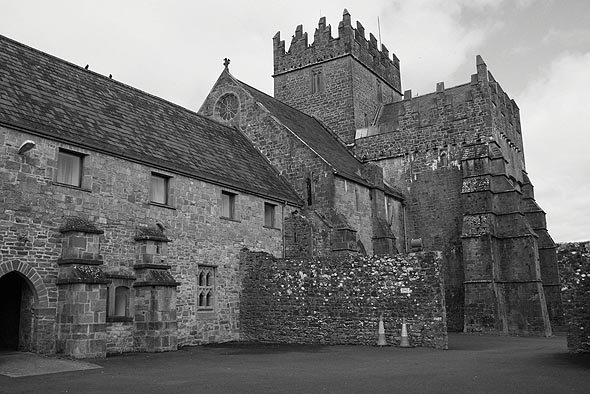
Imagine a life deliberately removed from the world's constant clamor, where every hour, every task, every breath is intentionally directed towards a higher purpose. This is the profound reality of daily life and routines in a convent or monastery, a spiritual journey undertaken by countless individuals seeking deeper devotion, community, and service. It's a structured existence, rich in ancient traditions, yet surprisingly relevant in its lessons for finding focus and meaning today.
At a Glance: What Monastic Life Entails
- A Life of Purpose: Monasticism is a spiritual path centered on renouncing worldly pursuits for devotion, community, and service.
- Diverse Traditions: Found across Christianity, Buddhism, Hinduism, and other faiths, each with unique expressions.
- Highly Structured Days: Routines are disciplined, with an emphasis on prayer, work, study, and communal meals.
- Core Practices: Silence, solitude, continuous prayer, meditation, and studying sacred texts are fundamental.
- Community First: Strong bonds forged through shared purpose, conflict resolution, and collective celebrations.
- Unique Challenges: Vows of poverty, potential isolation, and the rigor of the daily schedule require deep commitment.
- Ancient Roots: Historically, monasteries like Cluny set standards for daily practice, hospitality, and charitable work that influenced entire societies.
Stepping Into a Sacred Rhythm: What Monasticism Is All About
At its heart, monastic life is a profound dedication to spiritual practice. Whether you envision robed monks chanting in a medieval abbey or saffron-clad nuns meditating in a quiet Asian temple, the core principle remains consistent: a deliberate commitment to simplicity, humility, and unwavering devotion. It's a path chosen by those who feel a calling to remove themselves, in varying degrees, from the distractions of secular life to cultivate an inner world richer in divine connection.
This isn't a retreat from reality, but rather a re-orientation of it. Monastic communities often serve the world in unique ways, demonstrating that renunciation isn't about absence, but about a fuller presence to spiritual truths.
The Many Paths to Monasticism
While the image of a Benedictine monk might be the first to come to mind, monasticism is a global phenomenon, expressed through various spiritual traditions:
- Christian Monasteries and Convents: Orders like the Benedictines, Cistercians, and Franciscans are famous for their emphasis on prayer, work ("ora et labora"), and hospitality. Convents, typically for women, share similar spiritual practices and community living, often engaging in education, healthcare, or contemplative prayer. Many Christian monks and nuns live in cloistered communities, meaning they rarely leave the monastery grounds. Learn where nuns live to understand the diverse living arrangements for women religious.
- Buddhist Monasteries: Here, monks (bhikkhus) and nuns (bhikkhunis) dedicate their lives to studying the Buddha's teachings, rigorous meditation, and ethical living. Their daily routines often involve chanting, silent contemplation, alms rounds, and communal service, all aimed at achieving enlightenment.
- Hindu Ashrams: These communities focus heavily on yoga, meditation, and the study of sacred texts like the Vedas and Upanishads. Ashrams are often centers for spiritual learning and personal transformation, guiding individuals toward a deeper connection with the divine through disciplined practice.
Despite their doctrinal differences, these traditions share a common thread: the belief that a structured, communal, and disciplined life can lead to profound spiritual growth and a deeper understanding of existence.
The Monastic Day: A Precision-Crafted Schedule
If you were to peek inside a convent or monastery on any given day, you'd find a life governed by structure, intention, and ancient rhythms. The day is far from spontaneous; it's a carefully orchestrated sequence designed to support spiritual practice and communal living.
Early Dawning: Prayer and Reflection
The monastic day often begins well before the sun crests the horizon. For many, the first call to prayer, part of the Divine Office or Liturgy of the Hours in Christianity, rings out in the pre-dawn darkness. This communal gathering is a cornerstone, setting a contemplative tone for the day ahead. Following these shared prayers, individuals often retreat for personal meditation, silent reflection, or contemplative reading (lectio divina), embracing the quiet hours to connect with the divine before the day's demands truly begin.
Work as Prayer: Contributing to the Community
After morning prayers and a simple breakfast, the community shifts its focus to work. This isn't merely about maintenance; it's a sacred activity, a tangible expression of faith where "work is prayer." The nature of this work varies widely:
- Gardening and farming: Cultivating food for the community, often using sustainable practices.
- Crafts and artisanal work: Creating religious items, art, or practical goods for sale.
- Hospitality: Managing guesthouses, welcoming pilgrims and retreatants.
- Education: Running schools or offering spiritual instruction.
- Healthcare: Operating clinics or caring for the elderly within the community or beyond.
- Administrative tasks: Managing the monastery's affairs, often in meticulous detail.
Every task, no matter how mundane, is approached with mindfulness and a spirit of service, transforming labor into an act of devotion.
Communal Meals: Sustenance for Body and Soul
Meals are another pivotal part of the monastic routine. Often taken communally in a refectory, they are typically simple, healthy, and sourced locally whenever possible, reflecting vows of simplicity and connection to the land. Silence frequently accompanies these meals, fostering introspection and preventing idle chatter. In some communities, one member might read aloud from sacred texts or spiritual writings, nourishing the mind and spirit along with the body.
Afternoon: Study, Service, and Solitude
The afternoon brings a diverse set of activities. It might be dedicated to further prayer, often a shorter communal service, or personal spiritual exercises. For many, this is a time for intellectual and spiritual growth: theological study, lectures, or in-depth reading of sacred texts. Other communities might engage in additional community service, extending their love and care to neighbors through various outreach programs, like food banks or shelters, embodying their faith through practical acts of charity.
Evening: Reflection and Gratitude
As the day winds down, the community gathers again for evening prayer. This is a time for gratitude, reflection on the day's blessings and challenges, and preparing the soul for rest. Often followed by a period of silent contemplation, the evening prayers offer a gentle closing to the day, ensuring that even sleep is approached with a sense of peace and spiritual nourishment. The day typically concludes early, preparing for another dawn of devotion.
The Pillars of Monastic Practice: Inner Disciplines
Beyond the structured daily schedule, certain core spiritual practices form the bedrock of monastic life. These are the tools monastics use to cultivate their inner landscape.
Silence and Solitude: The Path to Clarity
Perhaps one of the most striking aspects of monastic life is the embrace of silence and solitude. Far from being isolating, these are crucial disciplines for introspection, self-discovery, and divine connection. In a world saturated with noise and distraction, the deliberate choice for silence allows the mind to quiet, the spirit to open, and spiritual clarity to emerge. It’s a powerful way to disconnect from worldly clamor and hear the "still, small voice" within.
Daily Prayer: A Continuous Conversation
Prayer isn't just a scheduled event; it's a continuous state of being. Through communal prayers (like the Divine Office) and personal devotions, monastics maintain an ongoing dialogue with the divine. This constant connection isn't about asking for things, but about offering oneself, expressing gratitude, and aligning one's will with a higher purpose.
Meditation: Quieting the Mind
From Christian centering prayer to Buddhist mindfulness practices, meditation is a universal monastic discipline. It involves quieting the mind, focusing on spiritual truths, and cultivating a deep awareness of the present moment. This practice helps monastics to detach from distracting thoughts, cultivate inner peace, and open themselves to profound spiritual insights.
Study of Sacred Texts: Nourishment for the Soul
Whether it's the Bible, the Sutras, the Vedas, or other foundational scriptures, the dedicated study of sacred texts is essential for spiritual understanding and growth. This isn't mere academic pursuit; it's a contemplative engagement with words believed to convey divine wisdom. Through diligent reading, reflection, and discussion, monastics deepen their knowledge, strengthen their faith, and find guidance for their spiritual journey.
Acts of Service: Love in Action
Monastic life, while often secluded, is rarely self-serving. Acts of service are integral, extending love and care to others within the community and, for many orders, to the wider world. This can manifest as running food banks, caring for the sick, educating the young, or simply offering a prayerful presence. Service is seen as a tangible way to live out the teachings of compassion and to share the blessings received through their spiritual path.
Community Life: Weaving Together Souls
Monasticism is not a solitary endeavor, but a communal one. Living in close quarters with others who share a similar commitment creates a unique social dynamic, fostering deep relationships and a collective journey toward spiritual aspirations.
A Shared Purpose, A Collective Journey
The very foundation of a monastic community is a shared purpose: to live out a spiritual calling together. This collective mission and set of values create a powerful bond, uniting individuals from diverse backgrounds under a common goal. Monastics support, challenge, and inspire one another, understanding that their individual growth is intertwined with the well-being of the whole community. This shared pursuit makes the rigorous path more sustainable and enriching.
Resolving Conflict with Compassion
Even in communities dedicated to peace, human nature dictates that conflicts will arise. Monastic communities, however, have established processes for conflict resolution that are deeply rooted in principles of love, forgiveness, and reconciliation. Rather than avoiding disagreement, they often approach it as an opportunity for spiritual growth, fostering open communication and a commitment to restoring harmony, always seeking to uphold the dignity of each person.
Celebrations: Reinforcing Unity and Joy
Life in a monastery isn't all solemnity. Rituals, feast days, and special observances are integral to reinforcing unity and bringing joy to the community. These celebrations – whether marking a saint's day, a religious festival, or an anniversary within the order – break the routine, offer a chance for shared happiness, and deepen the sense of belonging. They remind everyone of the sacredness and beauty inherent in their chosen path.
The Challenges of the Monastic Path: A Candid Look
While deeply rewarding, monastic life is not without its significant challenges. It demands immense personal sacrifice and unwavering dedication.
Embracing Poverty: A Simple Life
Many monastic orders take vows of poverty, committing to live simply and share all possessions communally. For those accustomed to modern conveniences and personal ownership, this can be a profound adjustment. It means relinquishing material comforts, trusting in divine providence, and finding contentment in very little. While liberating for some, it is a constant exercise in detachment and humility.
Isolation: A Different Kind of Connection
Joining a convent or monastery often means a degree of isolation from previous social circles, family, and the outside world. While some orders engage more with the public, cloistered communities live largely apart. This requires a strong spiritual foundation to transform potential loneliness into productive solitude, and to learn to find profound connection within the monastic community itself, rather than external relationships. It's a redefinition of what "connection" means.
The Rigor of Routine: Discipline as Daily Bread
The highly structured and disciplined daily schedule can be demanding. Waking before dawn, adhering to strict prayer times, engaging in silent meals, and undertaking assigned tasks without complaint require immense self-discipline and perseverance. For many, the rigorous routine becomes a comforting framework, but it's an ongoing commitment that tests resilience and requires a deep-seated conviction in the purpose behind every action.
A Historical Deep Dive: Daily Life at Cluny Monastery
To truly grasp the essence of monastic routines, let's step back in time and explore one of the most influential monasteries of the medieval era: Cluny. Founded in 910 by William, Duke of Aquitaine, Cluny became a beacon of monastic reform and spiritual excellence, its daily life meticulously detailed in the 11th-century "Customs of Cluny" by monk Bernard.
The Vision: Mercy and Hospitality
Cluny's foundational ideal was not merely spiritual discipline but practical compassion. Its mission was to "build a pleasant place" and to "show daily mercy to poor, needy, travelers, and pilgrims." This dual focus on internal piety and external charity set a high standard for Christian monasticism.
Administration: The Unsung Heroes of Daily Operations
Running a monastery of Cluny's scale was an enormous undertaking, requiring precise administration.
- Deaneries: Vast estates were managed by deans, ensuring resources flowed to the monastery.
- The Camerarius (Chamberlain): This crucial role managed all finances, purchasing supplies, and overseeing the provision of clothing for the monks.
- The Cellarer: Responsible for all food and drink, the Cellarer ensured the community was well-nourished according to the Rule.
- The Sacrist: This monk was the keeper of the sacred, managing church vessels, vestments, and even making candles, ensuring divine services were appropriately adorned.
Material Life: Simplicity and Care
Life at Cluny, while disciplined, was not spartan to the point of deprivation.
- Clothing: Monks received a new frock and cowl annually, and a sheepskin pelisse every three years for warmth. Their wardrobe was practical, including two frocks, two cowls, two shirts, two pairs of drawers, and two pairs of day-shoes, among other items.
- Food: Each monk received a pound of bread daily, a measured portion of wine, and dinner typically consisted of three courses: beans, a protein (fish, cheese, or eggs depending on the day), and vegetables. Feast days brought special treats like onions, cakes, and spiced wine, acknowledging the human need for occasional indulgence.
- Medical Care: A dedicated infirmary, managed by the Infirmarius, ensured sick monks received proper care. Seriously ill monks were allowed a meat diet and had a watcher to attend to their needs. Upon recovery, they would confess in chapter for any breaches of the Rule incurred during their illness, highlighting the meticulous adherence to community standards.
Hospitality and Charity: The Open Doors of Cluny
Cluny was legendary for its generosity and open-hearted welcome.
- The Guest-house: An impressive structure, 135x30 feet, could accommodate 40 men and 30 women. The Hosteller managed this busy operation, serving bishops, abbots, and priests at table with the monks, while laypeople dined in the guest refectory.
- Stables: A massive stable, 280x25 feet, overseen by the Connestabulus, provided for the guests' horses, showcasing the extent of Cluny's hospitality infrastructure.
- The Almonry: Managed by the Almoner, this department provided aid to pilgrims, the poor, widows, orphans, and the sick. Pilgrims received bread and wine. Eighteen pensioners lived permanently in the almonry, receiving daily sustenance.
- Grand Scale Charity: Cluny's charity was legendary. On Quinquagesima Sunday in 1085, for example, 250 hogs were distributed to an astonishing 17,000 poor individuals. On Maundy Thursday, as many poor as there were monks were fed, had their feet washed, received wine, and two pennies each. Pentecost also saw special meals provided for the poor, demonstrating a profound commitment to social welfare.
Discipline and Communication: The Rule of Silence
One of the most remarkable aspects of Cluny's daily routine was the strict observance of silence. To facilitate necessary communication without breaking this vow, monks developed and used an elaborate system of sign language. This discipline underscored their commitment to introspection and spiritual focus.
Defense: A Monastery's Resilience
Even spiritual havens faced worldly threats. When lands were raided, Cluny's monks would gather the people at the church, preaching, asking for alms and prayers, and slowly ringing the bells – a solemn call to communal vigilance. Historical records show their resilience: in 1050, after raids, Walter de Berzé renounced claims to Cluny's lands and swore fealty for 300 shillings, a testament to the monastery's power and influence even in negotiations of earthly power.
The Grand Cluny Church: A Monument to Faith
The original Cluny church eventually became too small for its burgeoning community and influence, leading to the construction of a new, monumental basilica. Laid in 1089, this incredible edifice was over 530 feet long, featuring double aisles, double transepts, and multiple towers. Though largely destroyed after the French Revolution, with only the southern arm of the greater transept and two towers remaining, its scale reflected the spiritual ambition and architectural prowess of its time.
Notable Visitors and Enduring Influence
Cluny's renown drew significant figures from across Europe, solidifying its influence:
- William de Warenne (1075): Deeply impressed by Cluny's holiness and charitable works, he sought monks from Cluny to found Lewes Priory in England in 1077, extending Cluny's monastic model.
- Peter Damiani (Cardinal-bishop of Ostia, 1063): Sent as a papal legate to resolve a dispute between Cluny and Bishop Drogo of Mâcon, Damiani reaffirmed Cluny's papal privileges. His companion observed the monks' strict adherence to silence, simple living, and extensive service, affirming Cluny's reputation for exemplary monastic life.
Cluny serves as a vivid reminder that the "daily life and routines in a convent or monastery" are not merely abstract ideals, but practical, lived experiences that have profoundly shaped history and continue to inspire.
Addressing Common Questions About Monastic Life
Entering the world of monasticism can spark many questions. Here are answers to some common inquiries and misconceptions:
Do all monks and nuns live in silence?
Not all, but silence is a core practice for many contemplative orders. Strict silence (outside of prayer, necessary work discussions, or spiritual direction) is common in cloistered communities to foster introspection. Other orders, especially those engaged in active ministry (like teaching or nursing), will have more conversation as part of their daily life, while still valuing periods of quiet.
Is monastic life sad or lonely?
For those called to it, monastic life is often experienced as joyful and deeply fulfilling, not sad. While there is a degree of isolation from the outside world, the community within the monastery provides a rich network of relationships and shared purpose. Loneliness is a human experience that can occur anywhere, but the spiritual support and communal bonds in monastic life are often very strong buffers.
Do they ever leave the monastery?
It depends on the order. Cloistered monks and nuns (like Carthusians or some Benedictine contemplative communities) rarely leave their monastery grounds, living entirely within their walls. Active orders, however, regularly go out into the world for their ministries (e.g., teaching, healthcare, social work). Even cloistered monastics may leave for essential medical appointments, family emergencies, or to fulfill specific duties for their order.
How do they support themselves financially?
Monasteries and convents support themselves through various means:
- Work: Producing goods (e.g., jams, cheese, crafts, candles, books) for sale.
- Hospitality: Running guesthouses and retreat centers.
- Services: Offering educational, healthcare, or spiritual direction services.
- Donations: Relying on the generosity of benefactors and the faithful.
- Farming: Cultivating land for sustenance and sometimes for sale.
Can anyone become a monk or nun?
No, it requires a clear sense of spiritual calling, a discerning process, and meeting specific criteria (e.g., age, health, lack of significant debt or dependents). There's typically a multi-year formation period (postulancy, novitiate, temporary vows) to ensure suitability and commitment before final, solemn vows are taken. It's a journey of deep discernment, not a casual decision.
Beyond the Walls: Lessons for Modern Life
While most of us won't enter a monastery, the daily life and routines within these sacred spaces offer profound lessons for navigating our busy modern world.
- Intentionality: Monastics live with deep intention, ensuring every action aligns with their purpose. How might we bring more intentionality to our own daily choices, our work, and our relationships?
- The Power of Routine: A structured day, even a flexible one, can reduce decision fatigue and free up mental energy for what truly matters. What small routines could you implement to bring more focus and peace to your life?
- Embracing Silence: In an age of constant noise, the monastic emphasis on silence reminds us of its restorative power. Can you carve out even 10 minutes a day for quiet reflection, away from screens and distractions?
- Mindful Work: Approaching tasks, even mundane ones, with mindfulness and a spirit of service can transform them from chores into meaningful contributions.
- Community: The strength of monastic communities highlights the human need for shared purpose and supportive relationships. How can you deepen your connections and contribute more fully to your own communities?
The daily life and routines inside a convent or monastery are not just relics of the past or practices for a select few. They are a living testament to the human desire for meaning, connection, and spiritual depth—a blueprint for a life lived with profound purpose that holds valuable insights for us all.