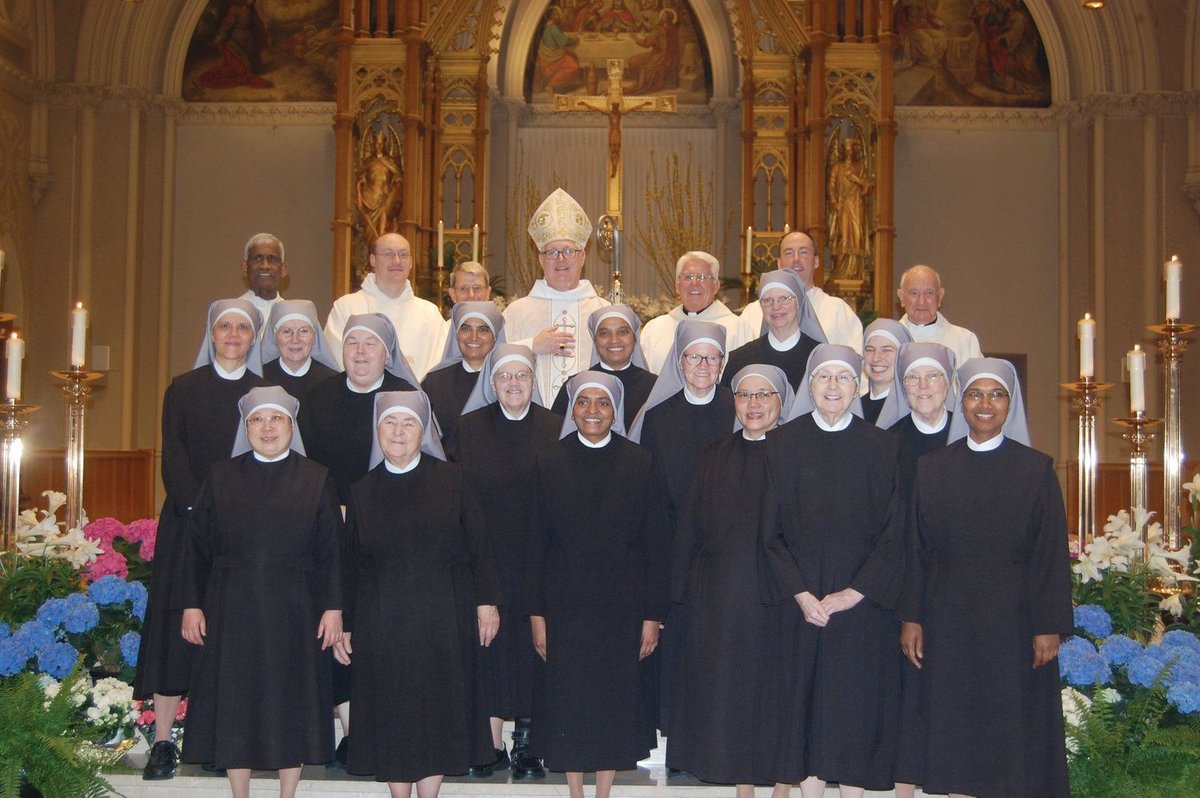
Ever found yourself wondering about the women in religious habits you see—or sometimes don't see—and if they're all just "nuns"? While the terms are often used interchangeably, understanding the nuances and distinctions between nuns, sisters, and their living arrangements within the Catholic Church reveals two beautifully unique vocations, each dedicated to God in profound ways. It's a distinction rooted in centuries of tradition, evolving needs, and varied spiritual callings that, once understood, offers a deeper appreciation for the rich tapestry of women's religious life.
This guide aims to cut through the confusion, offering a clear, respectful, and insightful look into these distinct paths, shedding light on their daily lives, spiritual missions, and the communities they call home.
At a Glance: Nuns vs. Sisters
Before we dive deep, here's a quick overview of the key differences:
- Nuns: Live a contemplative life in enclosed monasteries, taking solemn vows. Their primary focus is prayer and spiritual intercession for the world.
- Sisters: Engage in active ministry in the world, living an apostolic life, taking simple vows. Their primary focus is serving others through various works.
- Vows: Nuns take solemn vows; Sisters take simple vows. Both take vows of poverty, chastity, and obedience.
- Living Arrangements: Nuns reside in monasteries or convents with strict enclosure. Sisters live in active communities (often called convents or priories) more engaged with the public.
- Attire: Nuns typically wear a full, traditional religious habit. Sisters may wear a modified habit or modest secular clothing, often with a religious symbol.
- Community Name: Nuns belong to a "religious order." Sisters belong to a "religious congregation."
The Contemplative Heart: Understanding Nuns and Their Enclosed World
When most people picture a "nun," they're often imagining a woman devoted to a life of quiet prayer and profound solitude. This image largely aligns with the reality of a nun in the Catholic tradition. Nuns are women who have made a profound commitment to God through solemn vows, embracing a lifestyle centered on contemplation, prayer, and penance.
A Vocation of Deep Prayer
The primary calling of a nun is to a contemplative life. This isn't just about praying occasionally; it's about making prayer the central activity of their entire existence. Their days are meticulously structured around the Liturgy of the Hours (daily prayer services), Eucharistic adoration, silent meditation, and personal prayer. They act as intercessors for the world, believing that their dedicated prayers support and spiritually nourish all humanity.
Think of them as the spiritual powerhouses, working behind the scenes. Their work isn't seen in hospitals or classrooms, but in the unseen realm of grace, offering up their lives for the salvation and well-being of others.
Solemn Vows: A Permanent Pact
The vows taken by nuns—poverty, chastity, and obedience—are considered solemn vows. This distinction is critical. A solemn vow signifies a deeper, more permanent commitment, recognized by the Church as binding in a unique and profound way. For instance, in terms of poverty, a nun renounces all personal property outright. Anything she might inherit or acquire is legally absorbed by her religious order, and she has no personal claim to it. This isn't just a promise; it's a legal and spiritual transfer.
These vows are typically undertaken after a lengthy and rigorous formation period, which can span many years, ensuring a deep understanding of their commitment.
The Enclosed Life: A Sanctuary for the Soul
Perhaps the most defining characteristic of nuns is their living arrangement: they reside in an enclosed or semi-enclosed monastery or convent. This concept of "enclosure" is central to their contemplative charism. It means they deliberately limit their contact with the outside world, creating a sacred space conducive to silence, solitude, and constant communion with God.
While the level of strictness can vary between different religious orders, enclosure typically means:
- Limited Departure: Nuns rarely leave the monastery grounds, usually only for essential medical appointments, emergencies, or specific ecclesiastical duties.
- Visitor Restrictions: Visitors are often received in designated areas, separated by a grille or parlor, to maintain the sanctity of the enclosed space.
- Self-Sufficiency: Monasteries are often designed to be largely self-sufficient, with nuns engaging in domestic chores, gardening, baking, creating religious articles, or other work that supports the community without extensive outside interaction.
This doesn't mean they are unaware of the world's suffering; quite the opposite. Their withdrawal allows them to engage more deeply with the spiritual realities of the world, offering their prayers and sacrifices for its needs. If you're curious to learn more about where nuns reside, it's fascinating how these contemplative communities create their havens.
The Traditional Habit: A Visible Sign of Consecration
Nuns almost invariably wear a distinctive, traditional religious habit. This attire, usually consisting of a veil, tunic, and scapular, is more than just clothing; it's a powerful symbol of their consecration to God, their identity as members of their specific order, and their detachment from worldly fashion. The habit often varies slightly in color or style depending on the order, but its overall form remains traditional, serving as a constant reminder of their vows and purpose.
Formation: A Journey of Spiritual Deepening
Becoming a nun involves a significant journey of spiritual and theological education. The formation period can last several years, beginning with various stages like postulancy, novitiate, and temporary vows. This intensive period is designed to foster spiritual growth, deep discernment, and a thorough understanding of the specific charism (spirit and mission) of their religious order. It prepares them not for active ministry in the world, but for a profound, lifelong spiritual battle waged in prayer.
The Active Spirit: Understanding Sisters and Their Engaged Service
In contrast to nuns, sisters are women religious whose vocation calls them to an apostolic life, meaning they actively engage in ministry and service outside the confines of a monastery. While their lives are also rooted in prayer, their primary focus is on bringing the Gospel message and God's love directly to the world through concrete actions.
A Vocation of Active Service
Sisters dedicate their lives to serving others, embodying Christ's love through various ministries. Their calling takes them into the heart of society, addressing its needs and challenges. You'll find sisters working in:
- Education: Teaching in schools, universities, and catechetical programs.
- Healthcare: Nursing, administering hospitals, providing elder care, and hospice services.
- Social Work: Assisting the poor, homeless, and marginalized, working in shelters and outreach programs.
- Social Justice: Advocating for human rights, working for peace, and addressing systemic injustices.
- Pastoral Care: Serving in parishes, providing spiritual direction, and offering comfort to the sick and bereaved.
Their prayer life is vibrant and essential, but it serves as a foundation and support for their active service, rather than being the sole focus of their days.
Simple Vows: A Flexible Commitment
Sisters take simple vows of poverty, chastity, and obedience. While equally serious and binding, these vows differ from solemn vows in their canonical implications. For instance, regarding poverty, sisters typically retain their personal property and inheritance, though they administer it in a way that aligns with their vow and cannot use these assets for personal gain or within their ministry without community consent. Their focus is on living simply and communally, sharing resources, and prioritizing spiritual detachment over material possessions.
The formation period for sisters is usually shorter than that for nuns—typically months to a couple of years—and focuses more on practical skills relevant to their chosen ministries, alongside spiritual development.
Engaged Communities: Living Within Society
Sisters live in active communities, often referred to as convents, priories, or simply "houses," that are integrated into mainstream society. Unlike nuns, sisters regularly leave their residences to go to their places of ministry—schools, hospitals, social service agencies, or parishes. Their interaction with the public is frequent and essential to their work.
These communities are designed to support their apostolic life, providing a shared spiritual home and a base from which to serve. Their living arrangements allow for greater flexibility and engagement with the world they seek to serve.
Varied Attire: Adapting to Ministry
The attire of sisters is more varied. While many congregations still wear a modified religious habit (perhaps a simpler veil, or a less voluminous tunic), many others have adopted modest secular clothing, often with a small religious symbol like a cross or a pin indicating their congregation. This adaptation is often driven by the practicalities of their ministries, allowing them to blend more effectively into the diverse environments where they serve. For example, a sister working with the homeless might find a traditional habit less practical or approachable than modest civilian clothes.
Formation: Equipping for Service
The formation for sisters is geared towards preparing them for active engagement in the world. While spiritual growth and discernment are paramount, there's also a strong emphasis on acquiring the professional and practical skills needed for their chosen ministries. This includes theological studies, but also degrees or certifications in education, nursing, social work, and other fields. They learn to balance prayer with intense periods of external service, developing resilience and adaptability.
Shared Threads: Unpacking the Beautiful Similarities
Despite their distinct roles and living arrangements, nuns and sisters share a foundational commitment that unites them as "women religious" within the Catholic Church. Their paths diverge in method, but converge in purpose.
A Shared Commitment to Christ and Church
Both nuns and sisters are profoundly committed to their faith and the teachings of the Catholic Church. Their lives are entirely dedicated to God, striving to live out the Gospel in radical ways. Whether through contemplative prayer or active service, their ultimate goal is the greater glory of God and the salvation and well-being of all people. They are both integral parts of the Church's mission, each contributing uniquely to its spiritual and corporal works.
Vows of Poverty, Chastity, and Obedience
At the heart of both vocations are the evangelical counsels—vows of poverty, chastity, and obedience. While the form of these vows differs (solemn for nuns, simple for sisters), the underlying commitment to each remains the same:
- Poverty: A detachment from material possessions and a commitment to simple living, sharing resources, and trusting in divine providence.
- Chastity: A celibate lifestyle, renouncing marriage and earthly family ties to dedicate one's heart entirely to God and the spiritual family of humanity.
- Obedience: A submission of one's will to God's through the authority of their religious superior and the rules of their community, trusting that this path leads to deeper union with God.
These vows are not limitations but seen as radical expressions of freedom and love, freeing them from worldly attachments to pursue a deeper relationship with God and more fully serve others.
A Life of Prayer and Formation
Prayer is the lifeblood of both nuns and sisters. While their daily schedules and prayer forms might differ, both dedicate significant time to communal and personal prayer, recognizing it as the source of their strength and inspiration. They believe in the power of prayer to transform lives and bring about God's will.
Furthermore, both undergo a period of formation or training (often beginning with postulancy and novitiate) before taking their final vows. This intensive period is designed to help them discern their vocation, grow spiritually, and integrate fully into their respective communities and ways of life. It’s a time of deep learning, self-discovery, and profound commitment.
Why the Distinction Matters: Charism and Complementary Roles
Understanding the difference between nuns and sisters isn't just an exercise in semantics; it highlights the beautiful diversity and complementary nature of vocations within the Church. Each path—contemplative and apostolic—serves a unique and vital role, rooted in different charisms.
The Gifts of Charism: Defining a Community's Spirit
A "charism" refers to the particular spiritual gift or grace given by the Holy Spirit to a religious order or congregation for the benefit of the Church and the world. It defines their specific spirit, mission, and way of life.
- Nuns' Charism: The charism of nuns is rooted in contemplation, cloister, and intercessory prayer. Their very existence is a testament to the primacy of God and the unseen spiritual battle. They draw the Church closer to heaven through their devotion.
- Sisters' Charism: The charism of sisters is focused on active service and evangelization in the world. They bring Christ's love and message to those in need, embodying the Church's mission to be a light in the darkness.
These aren't competing charisms but complementary ones, like two lungs working together to breathe life into the body of Christ. The prayers of the nuns spiritually uphold the work of the sisters, and the active charity of the sisters gives visible expression to the love that the nuns contemplate.
Historical Roots and Evolution
The distinction between nuns and sisters evolved over centuries. Early Christian women religious were primarily contemplative, living in monastic communities. However, as society changed and new needs arose (e.g., caring for the sick during plagues, educating the poor), women felt called to minister more directly in the world.
Initially, Church law stipulated that women in religious life had to be cloistered. So, women who felt called to active ministry often had to form new types of communities that, by necessity, adapted the traditional rules. These communities, often founded after the Council of Trent, came to be known as "congregations" and their members as "sisters," distinguished by their simple vows and active apostolates. This allowed for innovative responses to social needs while maintaining a dedicated religious life.
Monastery vs. Convent: A Deep Dive into Living Arrangements
While both nuns and sisters live in communities, the terms for their residences and the nature of those residences reflect their distinct vocations.
Monasteries and Nunneries: Sacred Spaces of Enclosure
A monastery (or nunnery when specifically for women) is the traditional home for nuns. These are typically self-contained complexes, often with cloisters (covered walkways surrounding a courtyard), chapels, cells (private rooms), refectories (dining halls), workrooms, and gardens, all within a secure perimeter that defines the enclosure.
Life within a monastery is meticulously ordered, with specific times for prayer, work, and community gatherings. The architecture itself reinforces the contemplative spirit, designed to foster peace, silence, and reflection. When you step inside a monastery's enclosed area, you enter a different rhythm of life, one intentionally separated from the bustle of the outside world. Think of it as a spiritual fortress, defending the world through prayer.
Convents, Priories, and Houses: Bases for Active Service
For sisters, their residences are more broadly referred to as convents, priories, or simply "religious houses." While they might share some architectural features with monasteries (like a chapel or communal dining area), their design and function are different. These buildings are typically more integrated into towns and cities, serving as a base from which sisters commute to their various ministries.
A convent for sisters is often more open, facilitating movement in and out. It's a home, a place for communal prayer and support, but it's not a place of strict enclosure. Sisters might live in larger convents with many members, or in smaller communities (sometimes called "missions" or "houses") with just a few sisters, depending on the needs of their ministry and the structure of their congregation. These living arrangements are flexible, allowing them to be present where their service is most needed.
Common Questions and Clearing Misconceptions
It's easy to get these distinctions mixed up. Let's address some frequent misunderstandings.
"Are all women in habits nuns?"
No. As we've explored, many women in habits are sisters who are engaged in active ministry. Some sisters even wear modified habits or no habits at all, so appearance isn't always a definitive guide.
"Do nuns and sisters ever interact?"
Yes, absolutely. While nuns live in enclosure, they are part of the broader Church. Bishops visit monasteries, and sometimes sisters working in diocesan offices may interact with the monastic communities on administrative matters. Spiritually, they are deeply connected through prayer.
"Can you be a 'half-nun'?"
There's no such thing as a "half-nun." One is either a nun (having taken solemn vows in an enclosed order) or a sister (having taken simple vows in an apostolic congregation). These are distinct, complete vocations, not points on a spectrum.
"Why would someone choose to be a nun and live in enclosure?"
For those called to it, the enclosed contemplative life offers the most direct path to union with God. It's a deep spiritual longing to dedicate one's entire being to prayer and sacrifice for the world, believing that this unseen spiritual work is profoundly impactful. It's not about escaping the world, but about loving it more deeply through prayer.
"Do sisters and nuns get paid?"
Neither nuns nor sisters receive a personal "salary" in the traditional sense. Their vows of poverty mean that any income generated through their work (for sisters) or the community's work (for both) goes directly to their religious community. The community then provides for all their needs—housing, food, medical care, and necessities. They live a communal life, sharing resources.
How to Identify and Interact Respectfully
While you'll encounter sisters more frequently than nuns in public, knowing how to respectfully interact with either can be helpful.
Identifying Them
- Context is Key: If you see a woman in a traditional habit in a hospital, school, or soup kitchen, she is almost certainly a sister involved in active ministry.
- Enclosure Signage: Monasteries (where nuns live) often have clear signage indicating their enclosed nature or visitor guidelines. You won't typically see nuns out and about in public.
- Ask Respectfully: If you are genuinely unsure and the context allows, a polite "Are you a sister?" (rather than "Are you a nun?") is usually appropriate and respectful.
Interacting Respectfully
- Address Them Appropriately: In English-speaking contexts, "Sister" is the universal respectful address for women religious, regardless of whether they are nuns or sisters. If you know their religious name (e.g., "Sister Mary"), use that.
- Acknowledge Their Dedication: Recognize that both nuns and sisters have made extraordinary sacrifices and commitments. A simple "Thank you for your service" or "I appreciate your prayers" can be very meaningful.
- Respect Their Boundaries: For sisters, respect their professional boundaries if you encounter them in a ministry setting. For nuns, understand and respect their enclosure.
- Don't Pry: Avoid overly personal questions about their past life or the intimate details of their vows.
A Life of Purpose: The Enduring Legacy
The distinctions between nuns and sisters are not about superiority or inferiority, but about the diverse and beautiful ways women respond to God's call. Each vocation, with its unique living arrangements and mission, contributes an indispensable thread to the rich tapestry of the Catholic Church and indeed, to the spiritual well-being of the entire world.
Whether living a life of profound prayer behind monastery walls or actively serving on the front lines of society's needs, these "women religious" continue to inspire, challenge, and uplift us through their unwavering dedication, faith, and love. Understanding their distinct paths allows us to appreciate more fully the depth and breadth of their commitment, recognizing the profound impact of their lives, both seen and unseen.