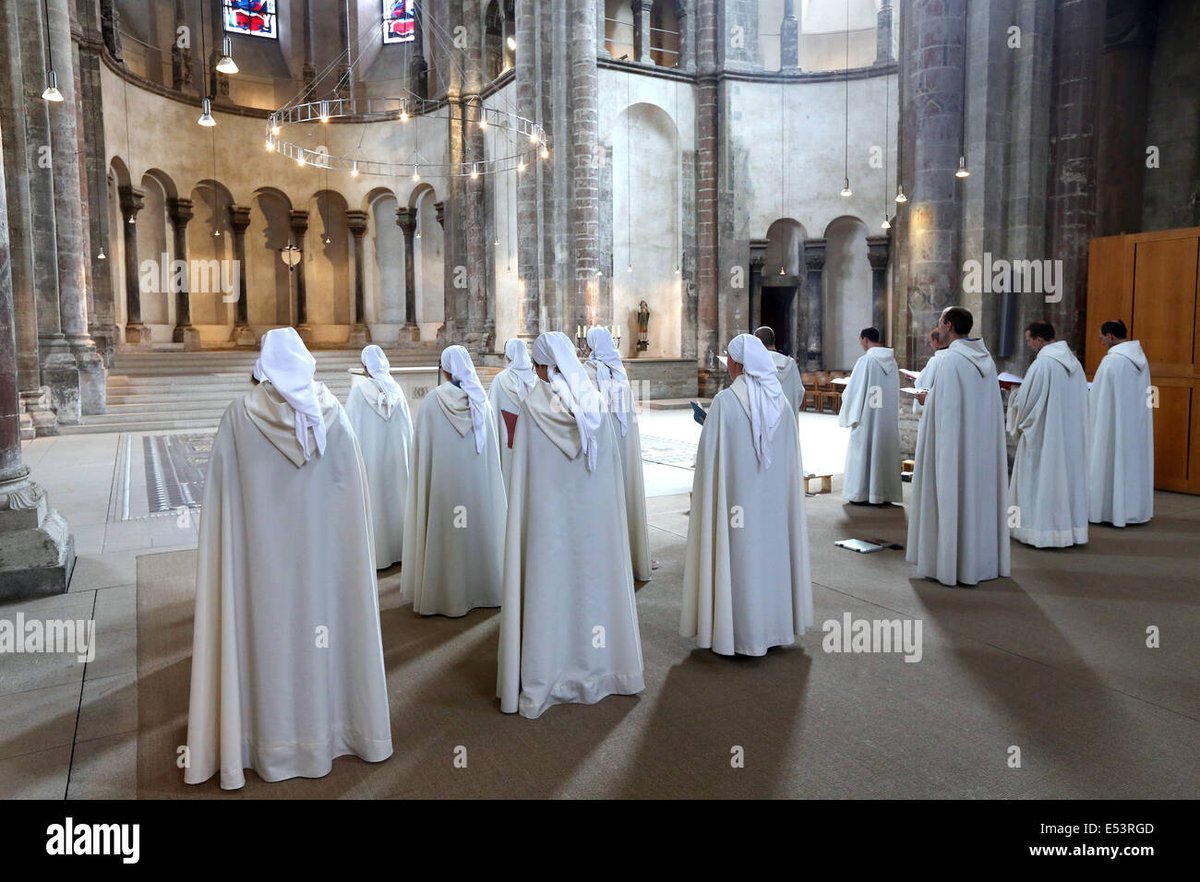
The calling to religious life is as diverse and profound as the human spirit itself. For women discerning a path of consecrated service, understanding the types of religious communities and residences for nuns is a crucial first step. It's not a monolithic world of habits and cloisters, but a rich tapestry woven with distinct charisms, ministries, and ways of life, each supported by specific living arrangements designed to foster spiritual growth and communal purpose.
Before we dive deep, let's clarify some core ideas about this unique vocational journey.
At a Glance: Key Takeaways
- Diverse Communities: Nuns belong to either contemplative (prayer-focused, often cloistered) or apostolic (active ministry in the world) religious orders.
- The Convent is Home: A "convent" is the traditional residence for nuns, fostering community, prayer, and support away from worldly temptations.
- Convent vs. Monastery: While a convent houses nuns, a "monastery" is typically for monks, though the spirit of monastic life (communal, prayerful, withdrawn) can exist in a nun's convent.
- Not All Nuns Live in Convents: Nuns working in professions like teaching or nursing may live in regular houses or rentals near their workplaces, especially if a convent isn't available.
- Communal Living Encouraged: The Catholic Church strongly advocates for nuns to live together to build sisterhood and facilitate shared spiritual practices.
- Permanent Residence: Upon taking solemn vows, a nun embraces the vow of poverty, relinquishing personal property; the convent then becomes her permanent home, even into retirement.
Understanding the Call: What Defines a Nun's Life?
At its heart, the life of a nun is a radical commitment to God, lived out through prayer, service, and community. Women who feel this profound call dedicate themselves by taking solemn vows, traditionally of poverty, chastity, and obedience. These vows aren't merely rules; they are pathways to deeper freedom and union with the divine, shaping every aspect of a nun's existence, including where and how she lives.
This commitment means leaving behind previous worldly attachments, including family homes and personal possessions. The community and its residence become central to their new identity, providing structure, support, and an environment conducive to their spiritual journey. The very definition of a convent, from the Latin "convene" or "gather," underscores this emphasis on communal living and shared purpose.
Community Matters: Exploring Types of Religious Orders for Nuns
The world of nuns is incredibly varied, shaped by the specific "charism" or spiritual gift that defines their religious order. This charism dictates their primary focus, whether it's intense prayer, active ministry, or a blend of both. Understanding these distinctions is key to grasping the nuances of their daily lives and residences.
Contemplative Orders: The Heartbeat of Prayer
Imagine a life almost entirely dedicated to prayer, silence, and communion with God. This is the essence of contemplative orders. Nuns in these communities often live a "cloistered" life, meaning they are enclosed within their convent grounds, with minimal contact with the outside world.
- Characteristics:
- Strict Enclosure: Physical boundaries that limit movement outside the convent, fostering an environment of solitude and detachment. Visits from family and friends are often restricted to designated areas and times.
- Focus on Prayer: The primary ministry is intercessory prayer for the world. Their days are structured around the "Liturgy of the Hours" (Divine Office), periods of silent meditation, and Eucharistic adoration.
- Manual Labor: To support themselves and their community, contemplative nuns often engage in various forms of manual labor within the convent, such as making vestments, baking communion bread, gardening, or creating artisanal crafts. This work is also seen as a form of prayer and contributes to their self-sufficiency.
- Examples: Carmelites, Poor Clares, Benedictine Nuns.
These communities are spiritual powerhouses, believing that their fervent prayers sustain the Church and the world. Their convents are designed to be havens of peace, facilitating a deep interior life.
Apostolic (Active) Orders: Hands and Feet in the World
In contrast to contemplative life, apostolic orders are characterized by their active engagement in the world, ministering directly to others. While prayer remains central, their primary "work" involves direct service.
- Characteristics:
- Public Ministry: Nuns in apostolic orders are often seen in classrooms, hospitals, orphanages, homeless shelters, and mission fields. They are nurses, teachers, social workers, missionaries, and administrators.
- Community Life: While their work takes them outside the convent, community life remains vital. They typically return to their shared residence (convent or community house) at the end of the day for prayer, meals, and recreation, strengthening their bonds of sisterhood.
- Flexibility: Depending on their ministry, they may have more interaction with the public and their residences might be located within or near the communities they serve.
- Examples: Sisters of Charity, Sisters of Mercy, Dominicans, Franciscans (many branches), School Sisters of Notre Dame.
These nuns bring the Gospel to life through tangible acts of love and service, embodying Christ's compassion in myriad ways across the globe.
Monastic Orders: A Legacy of Structured Life
While the term "monastery" is historically associated with monks, the concept of a monastic lifestyle — characterized by a structured communal life, emphasis on prayer, work, and stability within a particular community — certainly applies to many orders of nuns. Benedictine Nuns, for instance, follow the Rule of St. Benedict, a monastic tradition. The key distinction, as we'll explore shortly, often lies in the specific term used for their residence.
Home is Where the Heart Is: Types of Residences for Nuns
Where a nun lives is deeply intertwined with her religious order's charism and her specific ministry. However, the overarching goal of any residence is to provide a supportive environment for her spiritual journey and communal life.
The Convent: A Sisterhood's Sanctuary
The most traditional and widely recognized residence for nuns is the convent. Derived from a Latin word meaning "to gather" or "to convene," the term itself speaks to the very purpose of this dwelling: a place where religious women come together to live out their vows.
- Purpose and Design: A convent is more than just a building; it's a living ecosystem designed to foster community, spiritual growth, and adaptation to a new life away from worldly temptations. It provides a structured environment where nuns can pray communally, share meals, participate in recreation, and support one another in their journey.
- Typical Residents: Most nuns who do not practice other jobs reside in convents to support the community. This includes those in contemplative orders, as well as many in apostolic orders whose ministries are local or integrated within the convent's property (e.g., teaching at a school attached to the convent).
- Size and Scope: There's no definite number of nuns that can live in one convent. A large building may house ten to twenty nuns, or even more than twenty-five in bigger convents, and fewer than fifteen in smaller ones. The size often depends on the order's needs, the availability of space, and the specific charism. The Catholic Church actively encourages nuns to live together to build "sisterhood" and facilitate communal prayers, recognizing the spiritual and emotional benefits of shared life.
- A Place of Retirement: For many nuns, the convent is their lifelong home. Upon taking the vow of poverty, a nun ceases to own property, and the convent becomes her permanent residence. Older and retired nuns typically spend their time within the convent, assisting with lighter duties. It is often said that nuns do not truly "retire" in the conventional sense, but rather continue their work of prayer and service, albeit perhaps in less physically demanding ways, until their last breath, gathering with other nuns within the convents.
Convent vs. Monastery: Clarifying the Terms
This is a point of common confusion, and it's essential to set the record straight:
- Convent: A building or community where religious personnel, including nuns or sisters, live. The name "convent" comes from a Latin word meaning "to gather" or "to convene."
- Monastery: A building used by religious personnel, typically monks or monastics, often built "away" from the world. The term "monastery" comes from a Greek word meaning "to live alone."
The key difference is that a convent is associated with nuns, while a monastery is associated with monks. While some orders of nuns may embrace a "monastic" lifestyle in its spiritual sense (emphasizing prayer, work, and communal stability), their residence is almost universally referred to as a convent.
Beyond the Convent Walls: Alternative Residences
While communal living in a convent is the ideal and most common arrangement, not all nuns live exclusively within convent walls. The living location of nuns is ultimately determined by their specific religious order or communities and the demands of their ministry.
- Regular Houses and Rentals: Many professional nuns, such as teachers, nurses, or social workers, engage in ministries that take them out into the wider community daily. For these apostolic nuns, living directly within a large convent might not always be practical or necessary, especially if their ministry is in a different town or requires them to be closer to their workplace. In such cases, they may find housing near their workplaces in regular houses, which may be rentals or properties owned by their order.
- Why this arrangement? It allows them to fulfill their mission more effectively, integrating into the local community they serve while still maintaining ties to their larger religious order. While not living in a traditional convent, these arrangements still prioritize communal living where possible, with a small group of sisters living together to support one another in their shared mission.
- Mission Residences: Nuns on mission, particularly in remote areas or international settings, often live in residences specifically established for their missionary work. These might be simple homes or compounds that serve as a base for their outreach, evangelization, and service projects. The principle of communal living still applies, with a small group of sisters forming a local community within the mission residence.
Regardless of the specific dwelling, the underlying principle is that the residence supports the nun's consecrated life and her community's mission. You might be wondering where do nuns live more broadly; it's clear the answer is more nuanced than a single image.
A Day in the Life: What Nun's Residences Are Like
Life within a nun's residence, be it a large convent or a smaller community house, follows a structured rhythm designed to integrate prayer, work, and community.
- The Daily Schedule: A typical day begins early with morning prayer (Lauds), followed by Mass. The morning hours are usually dedicated to work — whether it's community duties, manual labor, or external ministry. Midday prayer is often followed by a communal meal, a time for sisters to share and converse. Afternoons might involve more work, study, or periods of personal prayer. Evening prayer (Vespers) and a communal dinner typically precede a period of recreation or shared activity, before concluding the day with night prayer (Compline) and silence.
- Communal vs. Individual Space: While community life is paramount, nuns also have their own private rooms, often modest and simple, where they can retreat for personal prayer, rest, and study. These individual spaces provide a necessary balance to the demands of communal living.
- Adapting to a New Home: For novices undergoing training, adapting to convent life is a transformative process. Living in a communal setting away from family and worldly distractions helps them to internalize the values of their order and prepare for their solemn vows. The sisterhood fostered within the convent is crucial during this period of transition and throughout their lives.
The Vow of Poverty and Permanent Residence
The vow of poverty profoundly impacts a nun's understanding of "home." When a woman takes solemn vows, she surrenders her right to own personal property. This doesn't mean she owns nothing, but rather that all possessions are held in common by the community.
Consequently, the convent or community residence becomes her permanent home. It's not a temporary lodging but a lifelong dwelling chosen in response to her vocational call. This commitment extends through all stages of life:
- Stability: This stability provides a foundation for her spiritual journey, freeing her from concerns about housing or material possessions.
- Retirement: As mentioned earlier, nuns do not truly "retire" in the sense of ceasing all activity. Instead, older and infirm nuns continue to contribute to the community through prayer, lighter duties, and their presence, remaining cherished members of their convent family until their last breath.
Navigating the Path: Choosing a Community and Residence
For a woman discerning religious life, the choice of community is arguably the most significant decision after the initial "yes" to God's call. This choice will largely dictate the type of residence she will inhabit and the rhythm of her daily life.
- The Discernment Process: This is a period of prayerful reflection, guidance from a spiritual director, and often "come-and-see" visits to various religious communities. During this time, a woman explores different charisms, sees how the sisters live, and tries to understand where her unique gifts and desires align with a particular order's mission.
- Role of the Religious Order: Each religious order has its own constitution and traditions that determine its members' living arrangements. Some orders, especially contemplative ones, will have a strict policy of all members living within an enclosed convent. Apostolic orders might have more flexibility, establishing convents in urban centers, small community houses in rural areas for ministry, or even individual residences for nuns engaged in specialized work.
- Factors Influencing Residence Choice:
- Type of Ministry: A nun dedicated to teaching in an inner-city school might reside in a small community house nearby, while a nun dedicated to perpetual adoration would live in a cloistered convent.
- Order's Charism: The foundational spirit of the order guides everything, including how communal life is structured and where it is lived.
- Geographic Needs: Orders often establish presences where their ministry is most needed, which in turn dictates the location and nature of their residences.
The decision is a co-creative process between the discerning woman and the leadership of the religious community, always with the ultimate goal of fostering a life of profound faith and service.
Common Questions and Misconceptions About Nuns' Residences
There are many common questions people have about where nuns live. Let's clear up a few:
Do all nuns live in convents?
No, not all nuns live exclusively in traditional convents. While convents are the primary and most common residences for nuns, professional nuns working outside the convent (e.g., as teachers, nurses, social workers) are not always required to live there. They might reside in smaller community houses or even regular rental homes closer to their workplaces or ministries, especially if a convent isn't available nearby. The living arrangement is determined by their religious order and the demands of their specific work or mission.
How many nuns live together in a convent?
There is no definite number of nuns that can live in one convent. It varies greatly depending on the size of the building, the order's needs, and the local community. A large convent might house ten to twenty nuns, or even more than twenty-five in very big establishments. Smaller convents or community houses might have fewer than fifteen residents. The Catholic Church encourages nuns to live together to foster "sisterhood" and facilitate communal prayers, regardless of the exact number.
Is there a difference between a nun and a sister?
While often used interchangeably, traditionally, a "nun" refers to a woman who has taken solemn vows and lives a cloistered or contemplative life within a monastery or convent. A "sister" refers to a woman who has taken simple vows and typically lives an apostolic life, engaged in active ministry in the world. However, in modern usage and common parlance, especially in English, "nun" is often used broadly for any woman religious, and the terms "nun" and "sister" are frequently used to describe the residents of convents. For the purposes of understanding residences, the term "nun" or "sister" is often used to describe the religious women living in a convent or other religious house.
Are nuns allowed to leave the convent or their community?
Yes, nuns are allowed to leave, but the process and implications depend on their vows and the specific circumstances. A nun who has taken perpetual (final) vows has made a lifelong commitment, but there are established canonical processes for "dispensation from vows" if, after much discernment and often with the guidance of ecclesiastical authority, a nun determines she can no longer live the consecrated life. This is a serious process. For novices or those in temporary vows, leaving is less formal, as they have not yet made a permanent commitment.
A Lifelong Journey of Faith and Service
The world of religious communities and residences for nuns is far more dynamic and varied than many might imagine. From the serene solitude of a cloistered convent to the bustling energy of a community house serving the urban poor, each setting is a testament to a woman's unwavering commitment to God and humanity.
These diverse living arrangements are not arbitrary; they are carefully chosen and designed to support the unique charism of each religious order, enabling nuns to live lives of profound prayer, joyful community, and dedicated service. For anyone seeking to understand the life of a nun, recognizing this richness and purpose behind their homes and communities is essential. It's a journey of faith, lived out in myriad ways, always deeply rooted in love.